
E Liquild
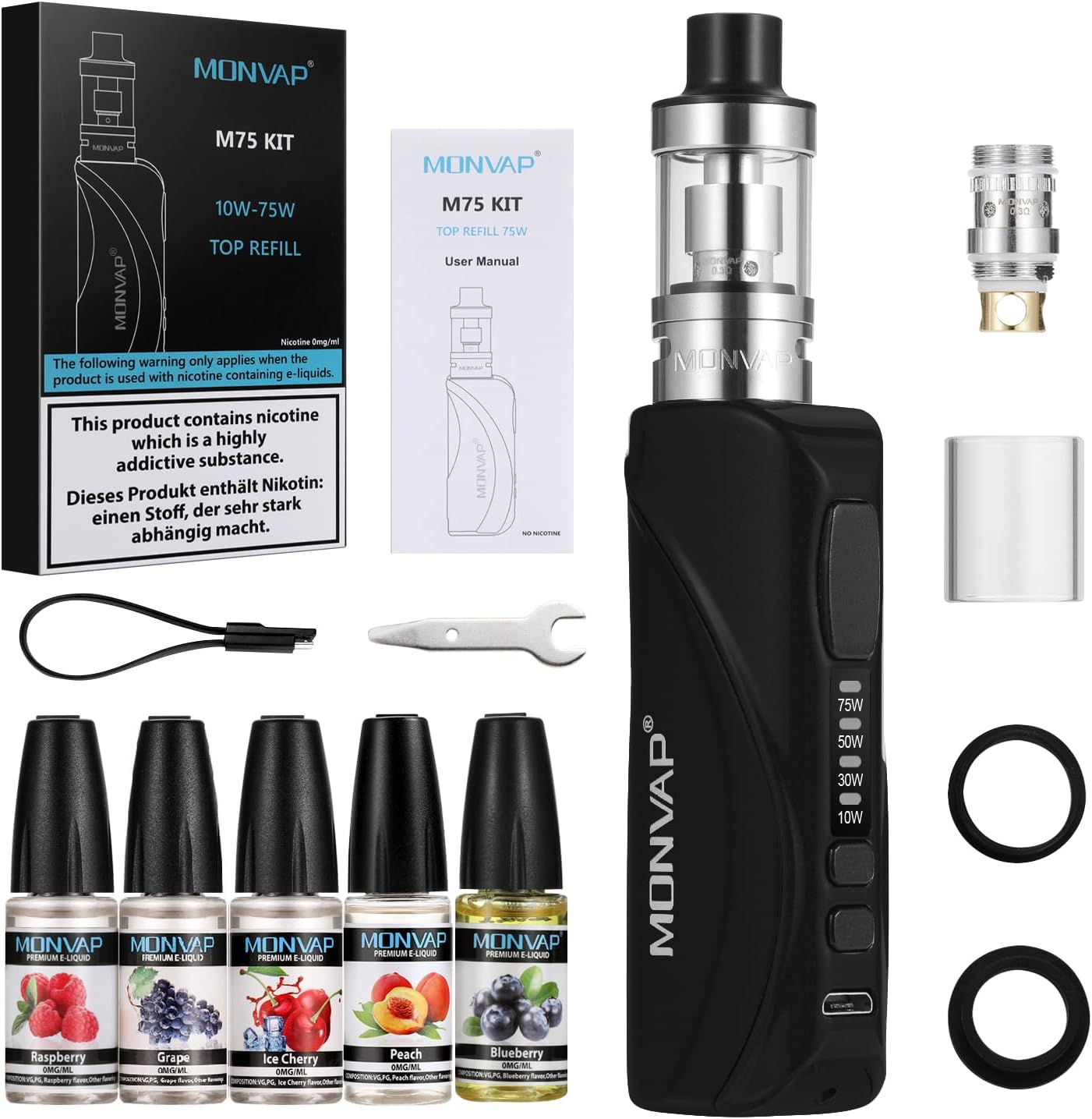
Keep your vape devices fully stocked and flavorful with premium E Liquids. Compatible with a wide range of devices, our E Liquids let you refill anytime for longer vaping sessions. Popular options like Al Fakher 10ml and Al Fakher 30ml deliver rich taste and smooth performance. Shop at Kylinvape.com for authentic products at affordable prices
E Liquid: Composition, Function, and Role in Electronic Nicotine Delivery Systems (ENDS)
Abstract
E liquid, also referred to as e-juice or vape liquid, is the consumable material used in electronic nicotine delivery systems (ENDS). It is engineered to produce an inhalable aerosol through controlled heating rather than combustion. This document provides a technical overview of e liquid, focusing on its chemical composition, physical properties, functional behavior within vaping devices, and its significance in modern vaping systems.
1. Definition of E Liquid
E liquid is a formulated liquid solution designed specifically for aerosolization in electronic vaping devices. Unlike traditional tobacco products, e liquid does not involve combustion. Instead, it undergoes a phase transition from liquid to aerosol when exposed to heat generated by an electrically powered coil.
E liquid formulations may contain nicotine, though nicotine-free variants are also widely used. The functional performance of an e liquid is determined by its base components, concentration ratios, and compatibility with device hardware.
2. Fundamental Components of E Liquid
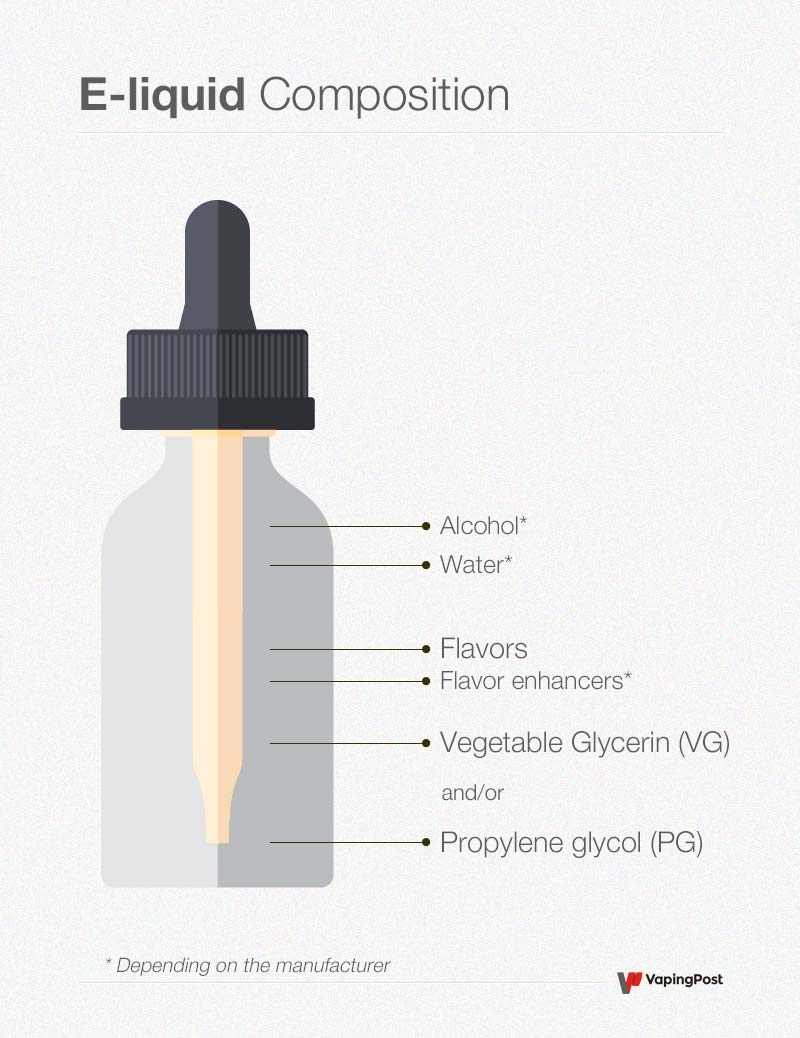
Most commercially available e liquids consist of four primary components, each serving a distinct functional role.
2.1 Vegetable Glycerin (VG)
Vegetable glycerin is a viscous, hygroscopic liquid derived from plant-based oils. Within e liquid formulations, VG contributes to:
- Aerosol density and visibility
- Smooth inhalation characteristics
- Mild sweetness without added sugars
High VG concentrations are commonly associated with increased vapor production and reduced throat irritation.
2.2 Propylene Glycol (PG)
Propylene glycol is a low-viscosity, colorless liquid widely used in food, pharmaceutical, and medical inhalation products. In e liquid, PG functions as:
- A carrier for flavor compounds
- A contributor to throat sensation
- A facilitator of efficient wicking
PG enhances flavor clarity and is often preferred in lower-power devices.
2.3 Flavoring Compounds
Flavorings used in e liquid are food-grade, water-soluble compounds specifically selected for vaporization. They do not contain oils or lipid-based substances.
Flavor categories include:
- Fruit and botanical profiles
- Dessert and confectionery profiles
- Menthol and cooling agents
- Tobacco-inspired formulations
Flavor concentration must be carefully balanced to avoid degradation during heating.
2.4 Nicotine (Optional)
Nicotine, when present, is included at controlled concentrations. E liquids are available in multiple nicotine strengths, including zero-nicotine formulations.
Two primary nicotine forms are used:
- Freebase nicotine
- Nicotine salts
Each form differs in volatility, absorption rate, and sensory perception.
3. VG/PG Ratio and Physical Performance
The volumetric ratio of VG to PG directly affects aerosol behavior, viscosity, and device compatibility.
| VG/PG Ratio | Viscosity | Aerosol Output | Typical Application |
|---|---|---|---|
| 70/30 | High | Dense | High-power devices |
| 50/50 | Medium | Moderate | Pod systems |
| High PG | Low | Light | Low-power systems |
Incorrect ratio selection may result in inefficient vaporization, dry hits, or leakage.
4. Mechanism of Aerosol Generation
In ENDS devices, e liquid is delivered to a heating coil via a capillary wick, typically made of cotton. Upon activation:
- Electrical energy heats the coil
- The e liquid reaches its vaporization threshold
- An aerosol is produced and inhaled
This process occurs at temperatures significantly lower than those required for combustion, reducing the formation of combustion-related byproducts.
5. Classification by Nicotine Delivery Method
E liquids may be categorized according to nicotine formulation:
Freebase Nicotine E Liquid
- Higher alkalinity
- More pronounced throat sensation
- Slower systemic absorption
Nicotine Salt E Liquid
- Modified pH for smoother inhalation
- Faster absorption kinetics
- Lower volatility at higher concentrations
Nicotine-Free E Liquid
- Absence of nicotine
- Focus on sensory experience and aerosol production
6. Stability, Storage, and Degradation
E liquid stability is influenced by environmental factors such as light, heat, and oxygen exposure.
Recommended storage conditions include:
- Cool, dark environments
- Airtight containers
- Limited exposure to ultraviolet radiation
Degradation may result in flavor alteration and nicotine oxidation over time.

7. Role of E Liquid in System Performance
E liquid is not a passive consumable; it directly affects:
- Coil lifespan
- Aerosol particle size distribution
- Flavor consistency
- Nicotine delivery efficiency
Device performance cannot be evaluated independently of the e liquid formulation used.
8. Industry and Regulatory Considerations
Ongoing research and regulatory oversight continue to influence e liquid formulation standards. Current industry directions emphasize:
- Ingredient transparency
- Improved quality control
- Consistent batch formulation
- Reduced environmental impact
These efforts aim to improve reproducibility and consumer safety.
9. Conclusion
E liquid represents a central component of electronic vaping systems, integrating chemistry, physics, and device engineering. A clear understanding of its composition and functional behavior is essential for evaluating device performance, user experience, and regulatory compliance.
As ENDS technology continues to evolve, e liquid formulation remains a critical area of scientific and industrial focus.
-
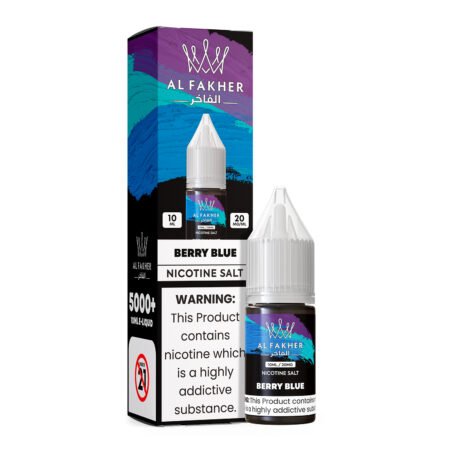
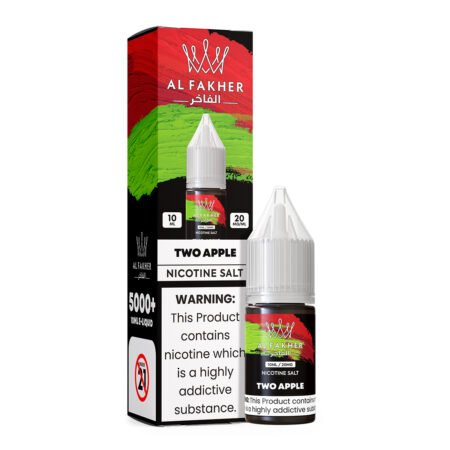
Al Fakher 10ml E Liquid 20mg Nicotine – Premium Vape Juice with 31 Flavors
Original price was: €5.56.€2.78Current price is: €2.78. -
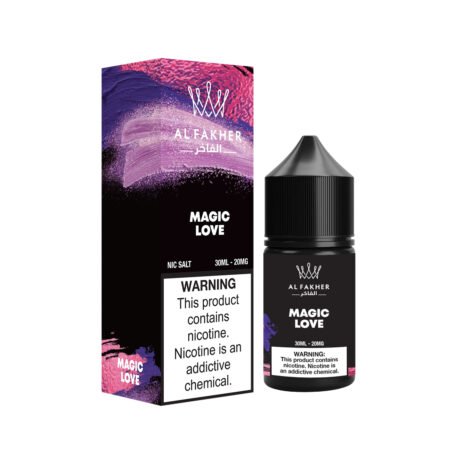
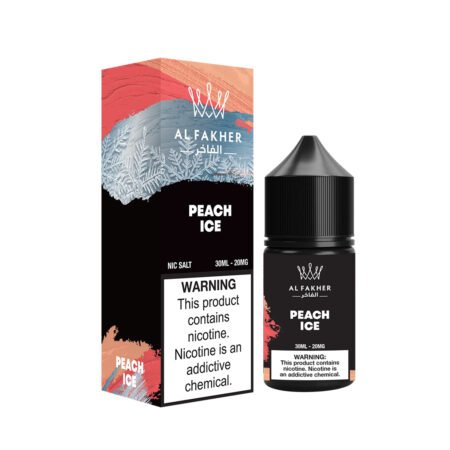
Al Fakher 30ml E-Liquid 30mg – Long-Lasting Premium E-Zigarette Liquid (31 Flavors)
Original price was: €9.56.€4.78Current price is: €4.78.